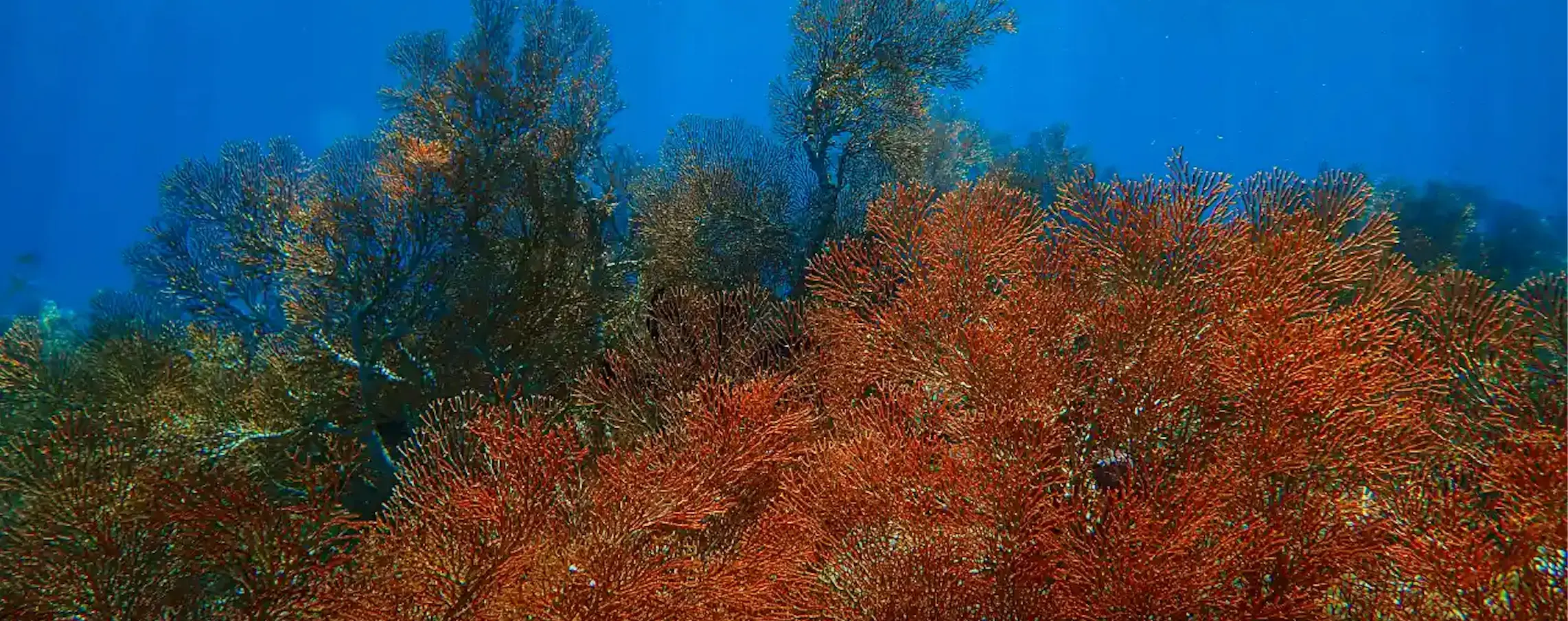


Understanding Coral Spawning: A Natural Wonder of the Ocean
Understanding Coral Spawning helps divers see Raja Ampat’s reefs as living systems, not just beautiful dive sites. In the last three weeks, Meridian Adventure Dive Resort was fortunate to witness two different corals spawning on two different dive sites in Raja Ampat waters.
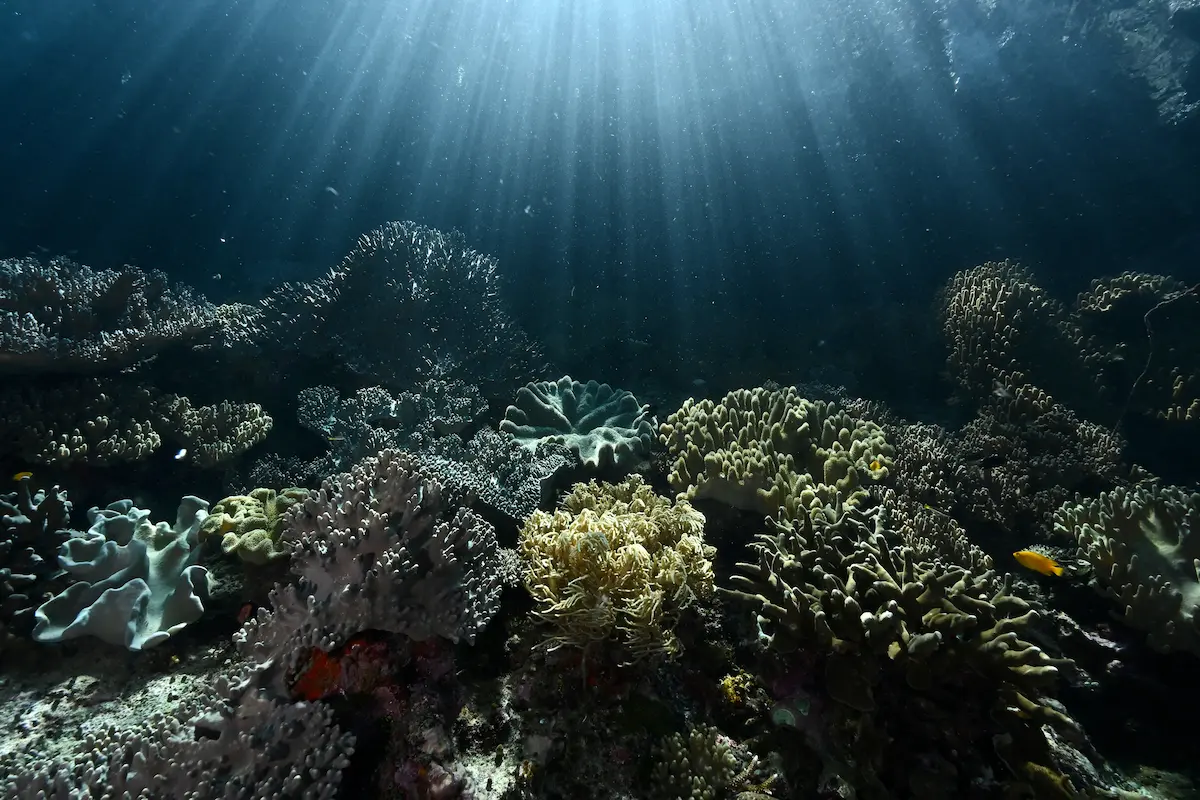
What Is Coral Spawning?
Coral spawning is the simultaneous release of gametes — eggs and sperm — by corals into the water. For divers, it can look like a slow underwater snowstorm. For the reef, it is a crucial reproductive event that helps coral populations survive, spread and recover.
This phenomenon typically occurs once a year and is triggered by environmental cues such as water temperature, lunar cycles and other local reef conditions. NOAA explains that many hard corals release eggs and sperm at the same time, allowing fertilisation to happen in the water column. Read NOAA’s coral spawning explainer.
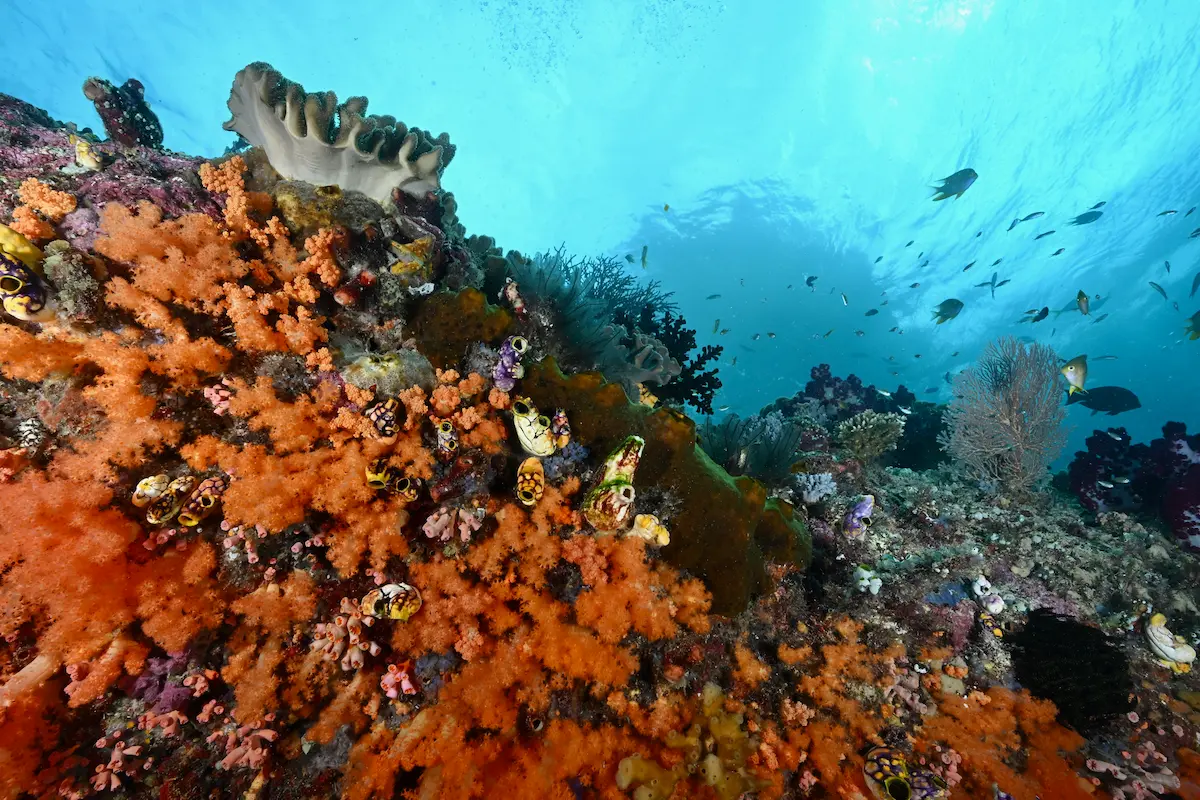
How Coral Spawning Happens
The process is short to witness, but it depends on careful biological preparation. Many corals build energy reserves, synchronise with environmental cues and then release reproductive material into the water at the same time.
Preparation
Before spawning, corals build energy reserves needed to produce large numbers of eggs and sperm.
Synchronisation
Colonies synchronise with cues such as lunar cycles, water temperature and local reef conditions.
Release
Eggs and sperm are released into the water column, where fertilisation occurs externally.
Larvae
Fertilised eggs develop into larvae that drift with currents before settling and forming new coral growth.
Why Coral Spawning Is Essential for Reef Health
Understanding Coral Spawning matters because reefs depend on successful reproduction. Spawning allows corals to exchange genetic material, supporting diversity within coral populations and helping reefs respond to environmental stress.
Genetic Diversity
Spawning supports genetic exchange, which can help coral populations remain more resilient over time.
Reef Renewal
Successful fertilisation and larval settlement help replenish coral populations and support reef structure.
Marine Life Support
Healthy reefs support fish, invertebrates and countless species that depend on coral habitat.
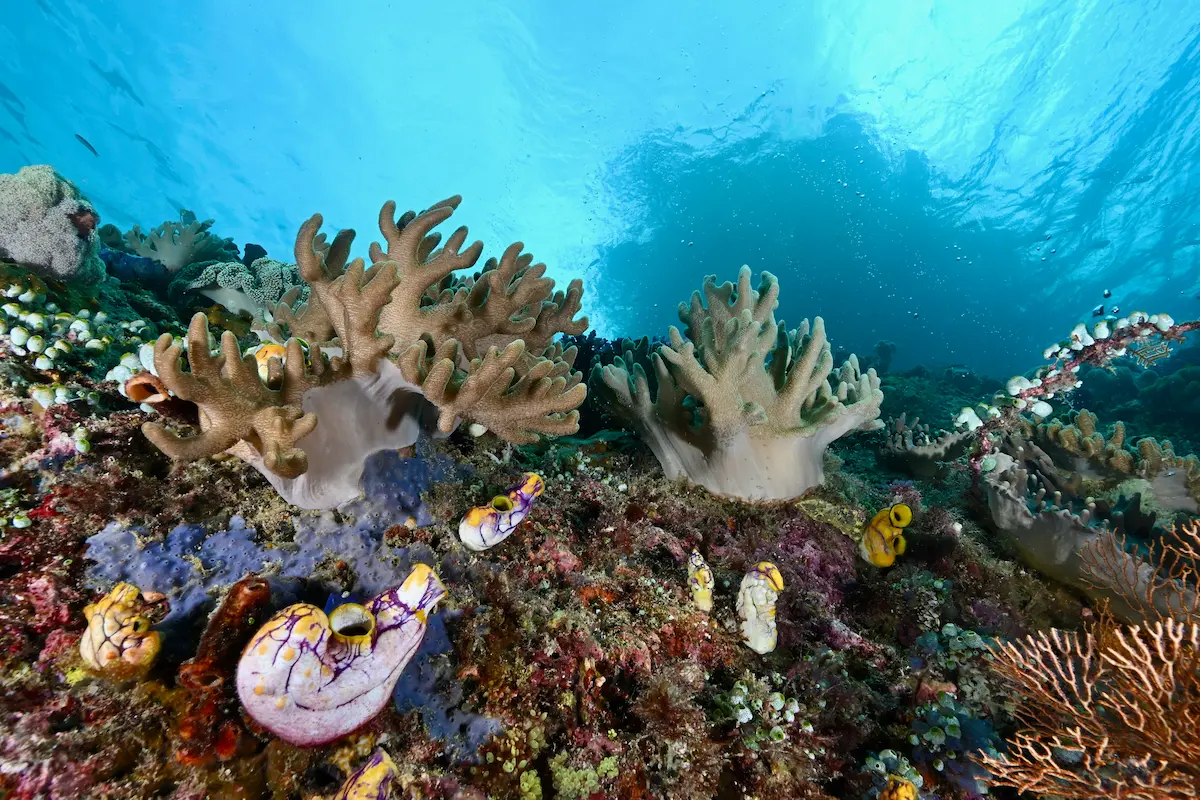
A Rare Reminder That Reefs Are Living Systems
In Raja Ampat, many divers come for dramatic reef walls, fish life, manta rays and colourful coral gardens. Coral spawning reveals another side of the reef: reproduction, renewal and the hidden rhythms that make the ecosystem possible.
These events also highlight why responsible diving matters. Good buoyancy, respectful photography, reef-conscious sun protection and professional dive planning all help reduce unnecessary stress on fragile reef environments.
What Coral Spawning Teaches Us Underwater
Coral spawning is not only beautiful. It is also a reminder that every reef is active, sensitive and connected. A dive site is not a backdrop; it is a living habitat where reproduction, feeding, cleaning, sheltering and competition are happening all the time.
When divers understand this, simple habits become more meaningful: avoid touching coral, control buoyancy, keep fins clear of the reef, use reef-conscious sun protection and follow briefings from local dive professionals.
Coral Spawning in Raja Ampat Waters
Watch a short clip from the recent coral spawning observations in Raja Ampat waters. These moments are brief, delicate and unforgettable for divers lucky enough to witness them.
Frequently Asked Questions About Coral Spawning
What is coral spawning?
Coral spawning is the simultaneous release of eggs and sperm by corals into the water, allowing external fertilisation and the development of coral larvae.
How often does coral spawning happen?
Many coral species spawn once a year, although timing varies by species and location. Spawning is usually linked to environmental cues such as water temperature, lunar cycles and local reef conditions.
Why is coral spawning important?
Coral spawning supports genetic diversity, reef renewal and the long-term survival of coral populations. It helps reefs replenish and colonise new areas.
Can divers see coral spawning in Raja Ampat?
It is possible, but it is never guaranteed. Spawning events are short, sensitive and dependent on natural conditions. Divers who witness them should observe calmly and avoid disturbing the reef.
Dive Raja Ampat With a PADI 5-Star Eco Resort
Located in Raja Ampat, Indonesia, Meridian Adventure Dive Resort is a PADI 5-Star Eco Resort and a proud winner of the PADI Green Star award. Our scuba diving services are known for professionalism, quality and responsible dive operations in one of the world’s most remarkable marine environments.