

Overview of Coral Reefs
Did you know that around 75% of the world’s coral species are in Raja Ampat? Moreover, Raja Ampat’s waters are remote, protected and biologically productive, making it one of the most spectacular places to encounter lush coral reefs rich with marine life.
A Living Guide to Coral Reefs in Raja Ampat
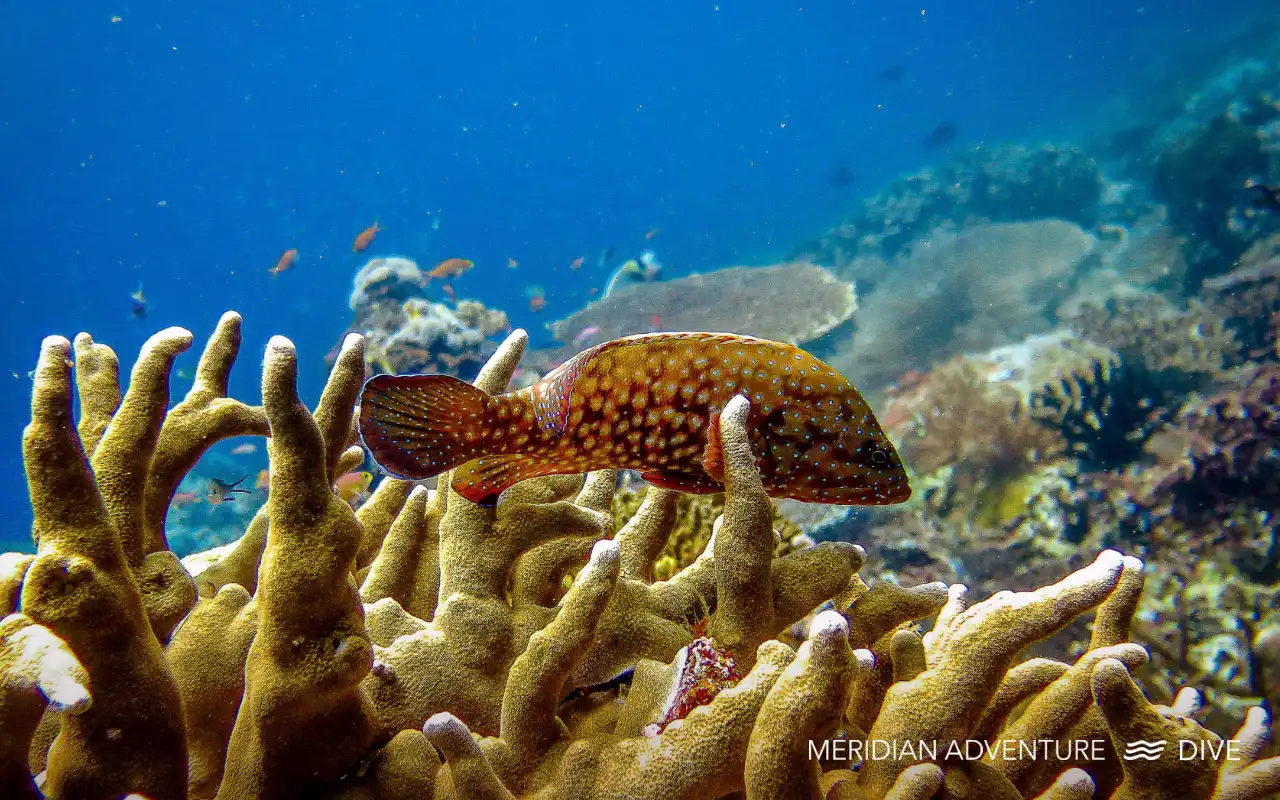
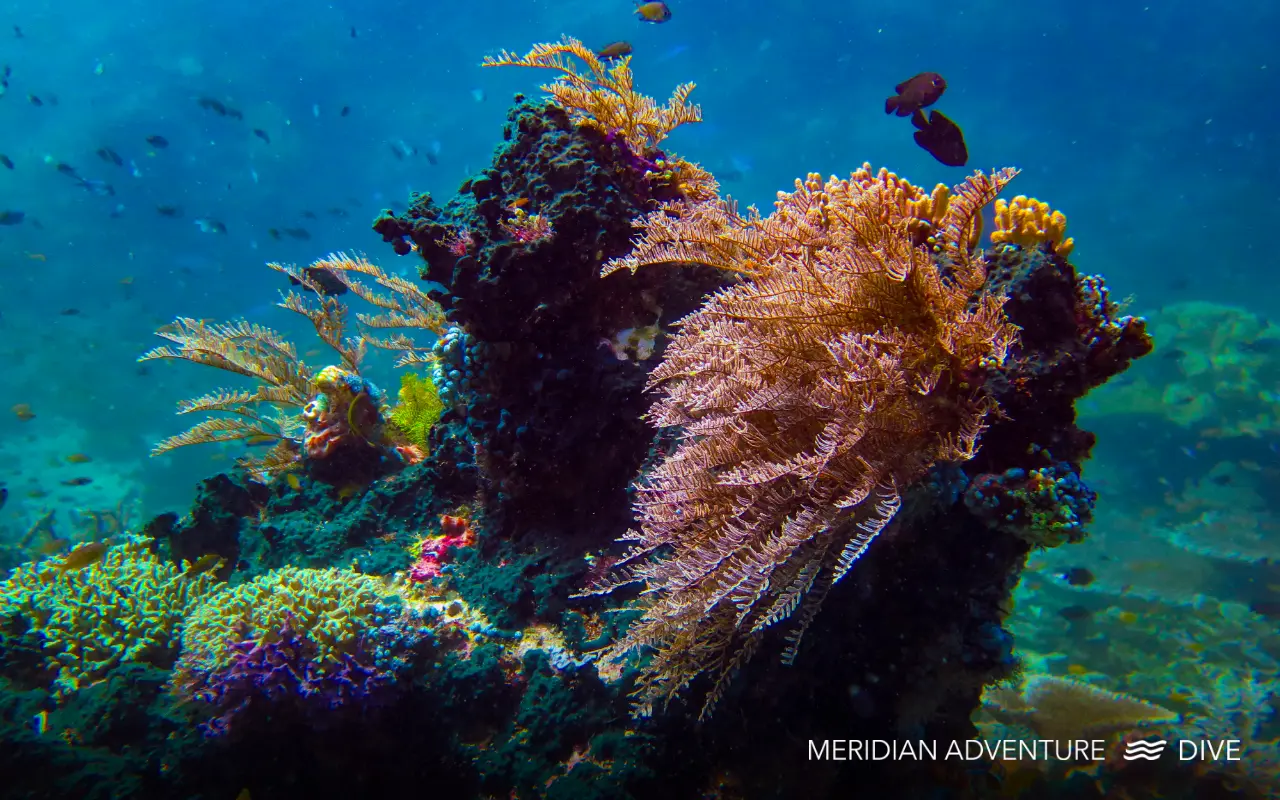
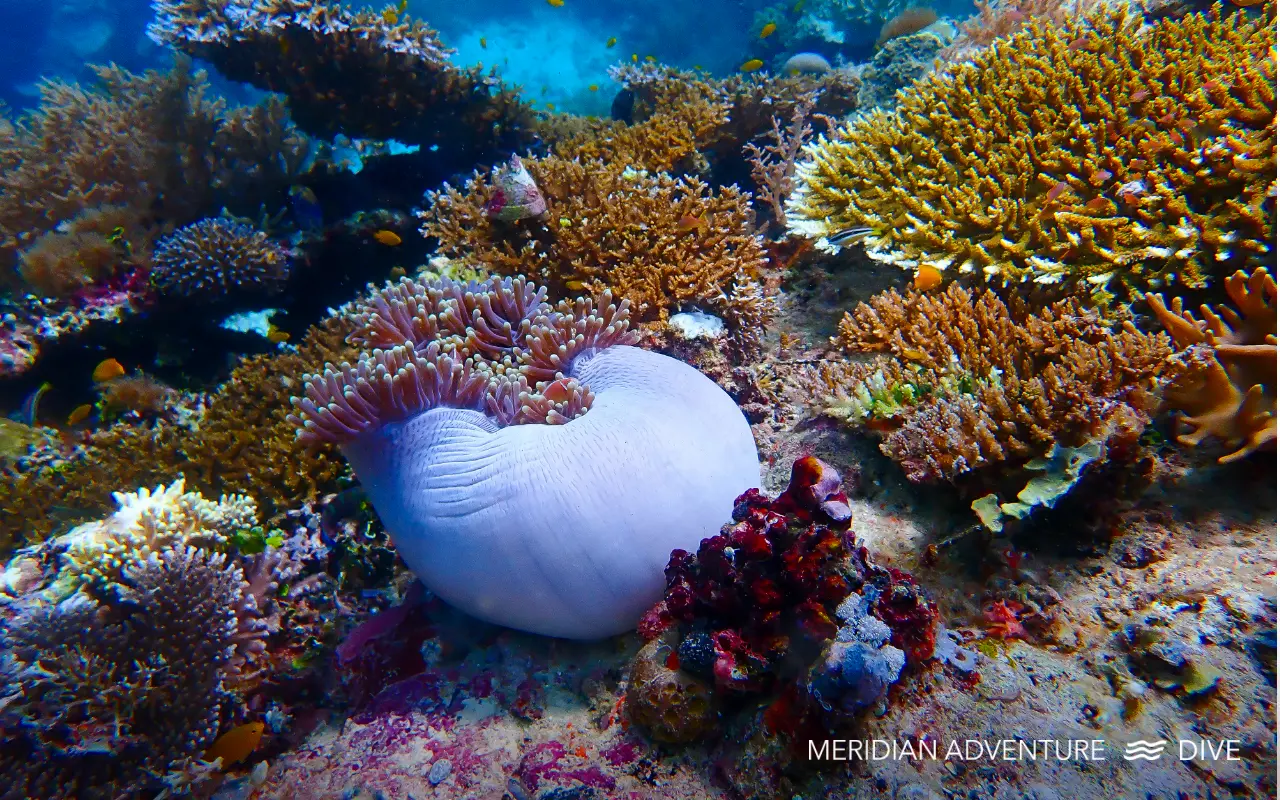
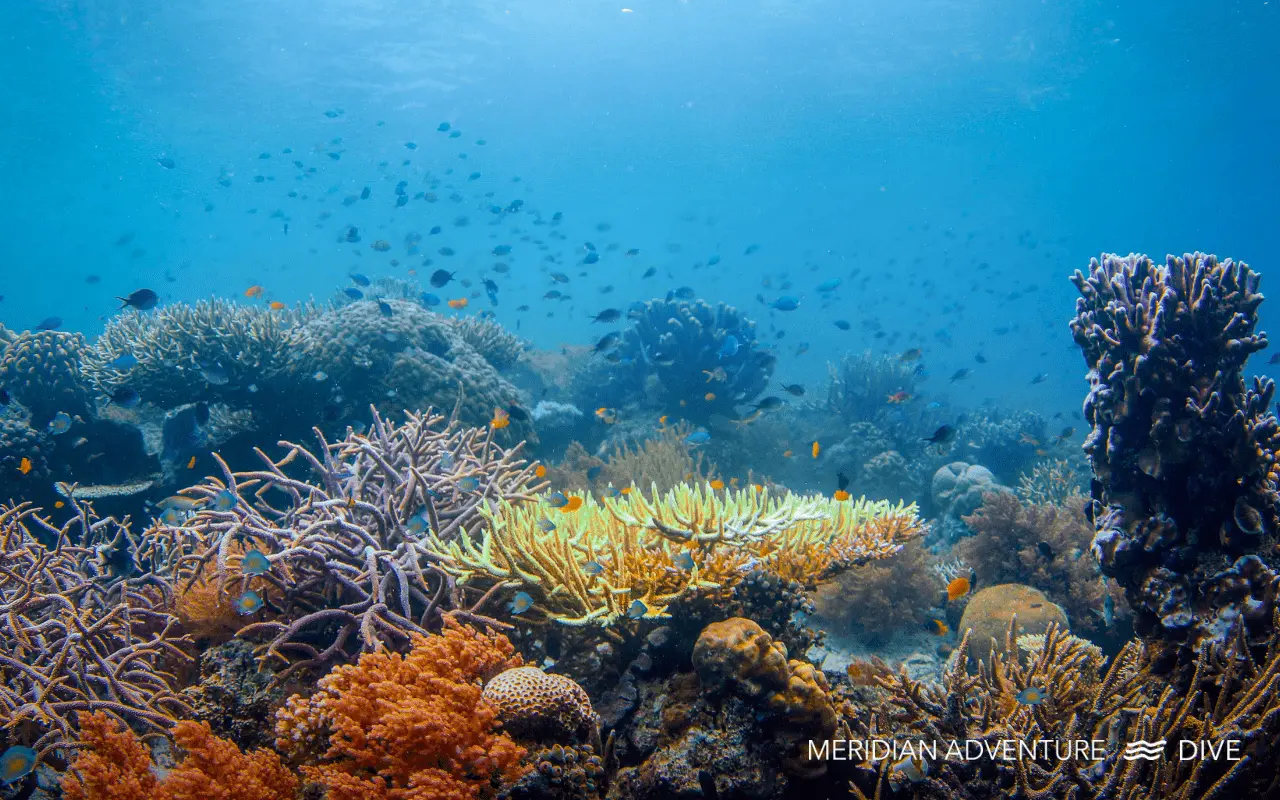
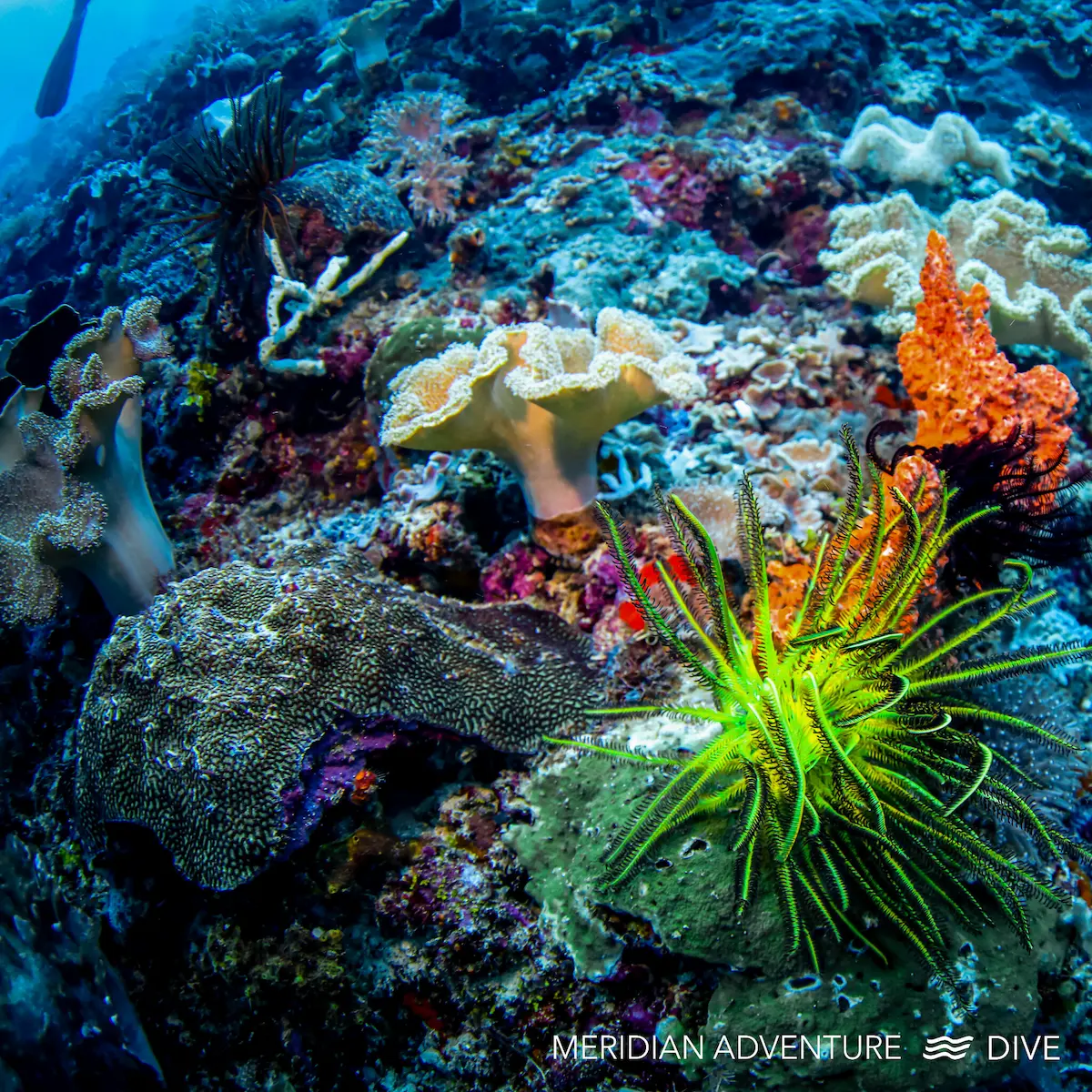
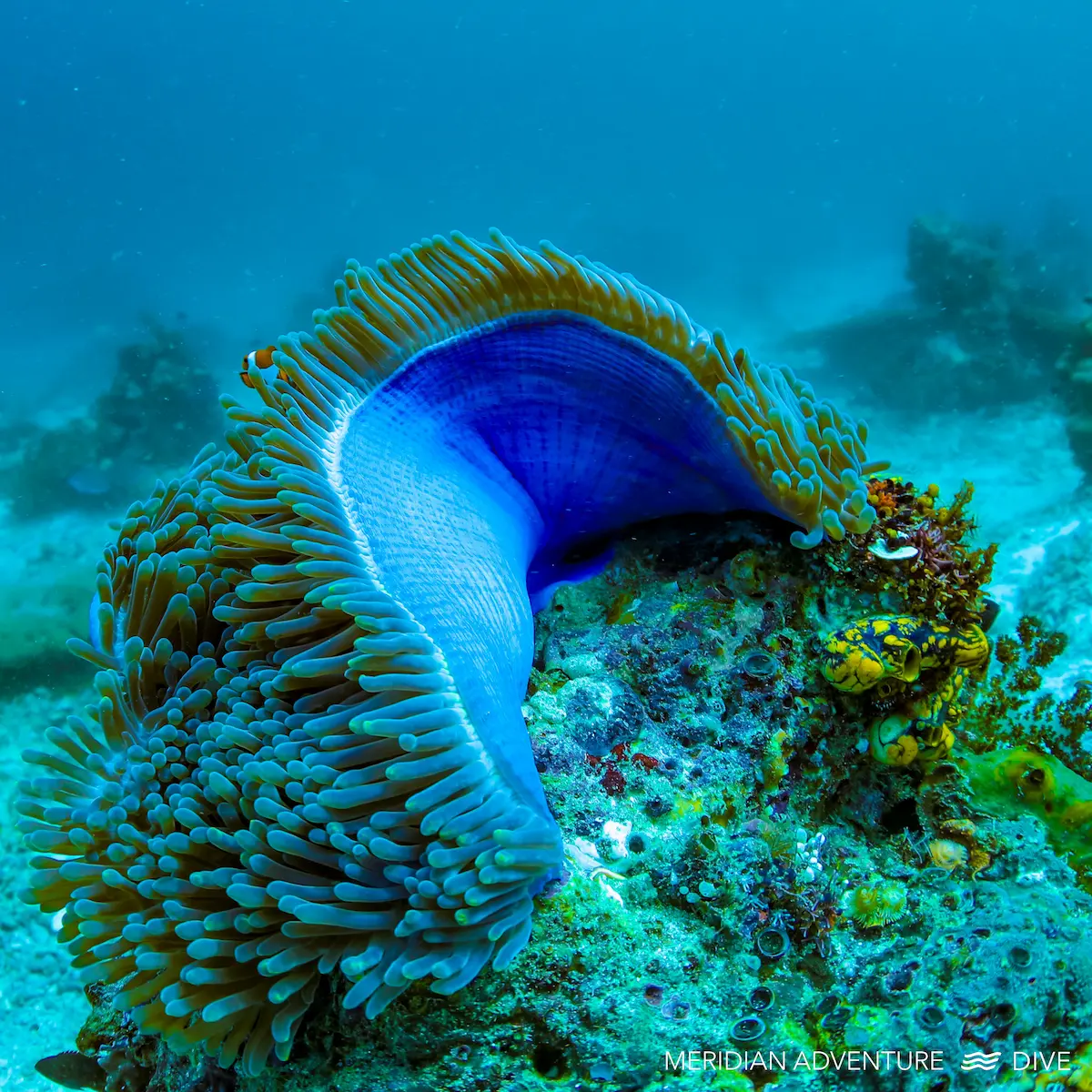
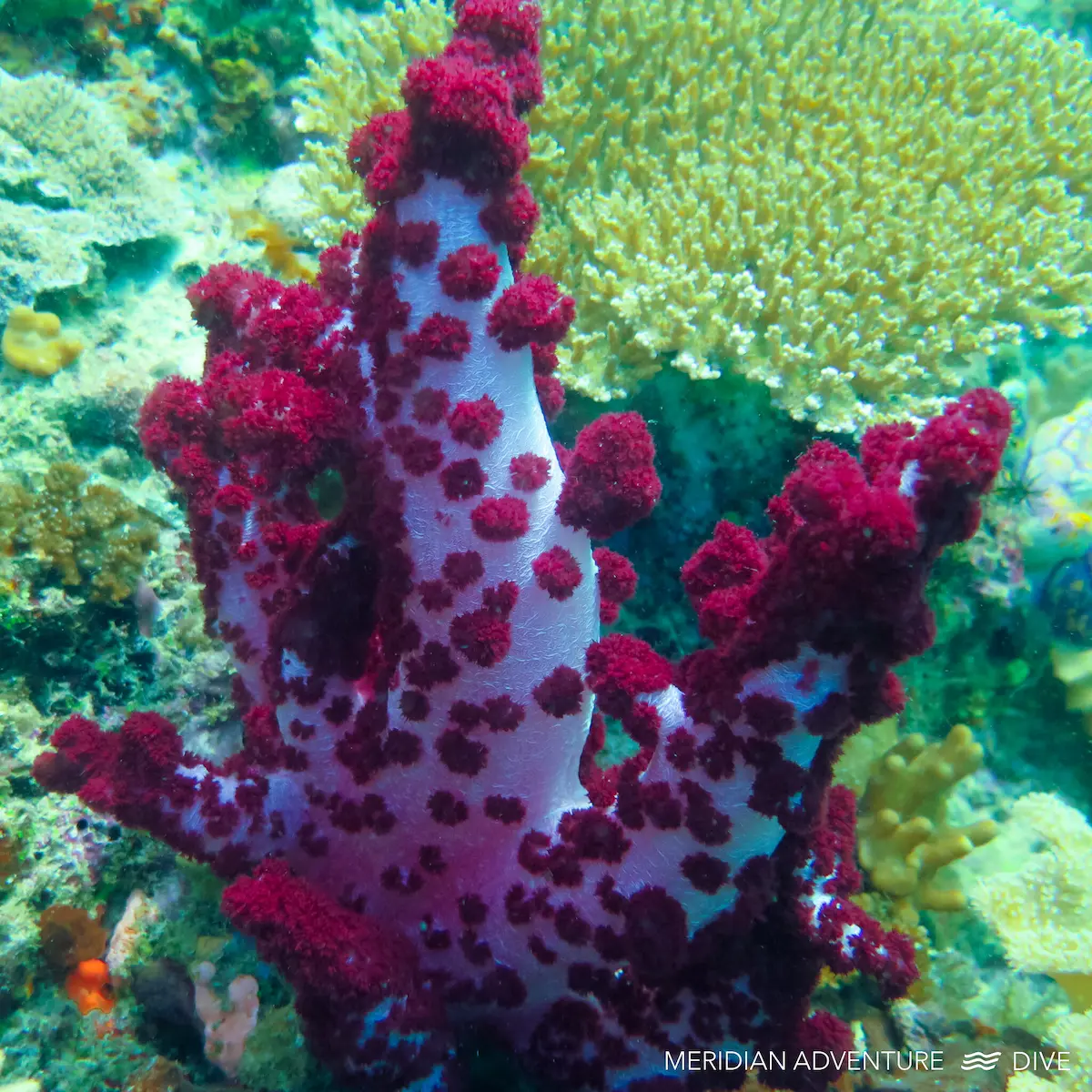
Coral reefs are diverse and complex marine ecosystems, home to corals, fish and many other aquatic organisms. In Raja Ampat, they form living underwater landscapes: walls, gardens, bommies, fans, branching structures and soft coral forests that shelter a remarkable amount of marine life.
Here is a discovery-style overview of different coral types, how reefs form, why they matter and what threatens them today.
Hard Corals, Soft Corals and Reef Builders
A coral reef is not a single type of coral. It is a living community made of many forms, textures and growth patterns. Some corals build the hard reef structure. Others create movement, colour and shelter in the water column.
Brain Coral
Named for their convoluted, brain-like appearance, these corals create shelter and structure for many reef creatures.
Staghorn Coral
Characterised by branching structures, staghorn corals are important for fish, invertebrates and reef complexity.
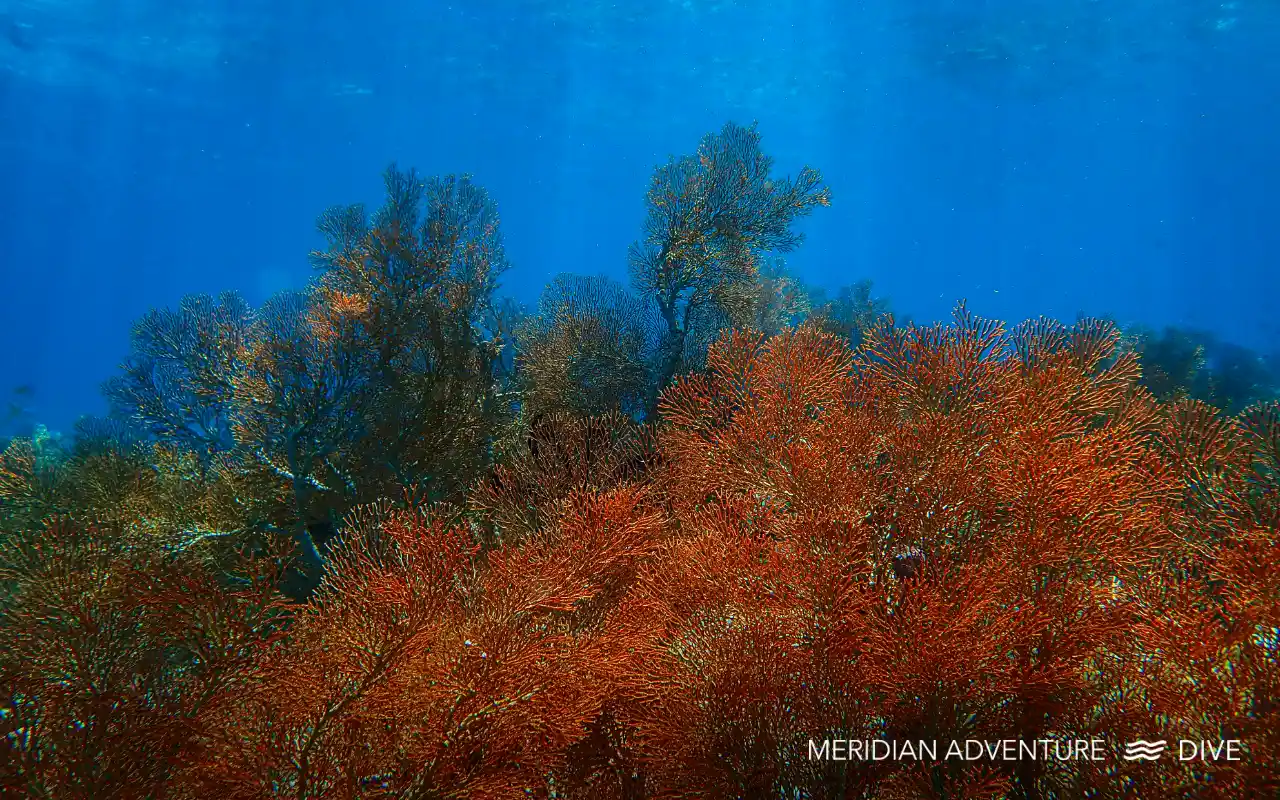
Sea Fans
Sea fans resemble leafy fans and sway with the current, creating shelter for small reef organisms and adding movement to the reef.
Leather Corals
Leather corals have a flexible, leathery texture and are often brightly coloured across tropical reef systems.
Fire Corals
Fire corals are not true corals, but hydrozoans. They are known for their painful stings and branch-like structures.
Black Corals
Black corals are dark-coloured and form long, flexible branches that provide habitat for different marine creatures.
How Coral Reefs Are Formed
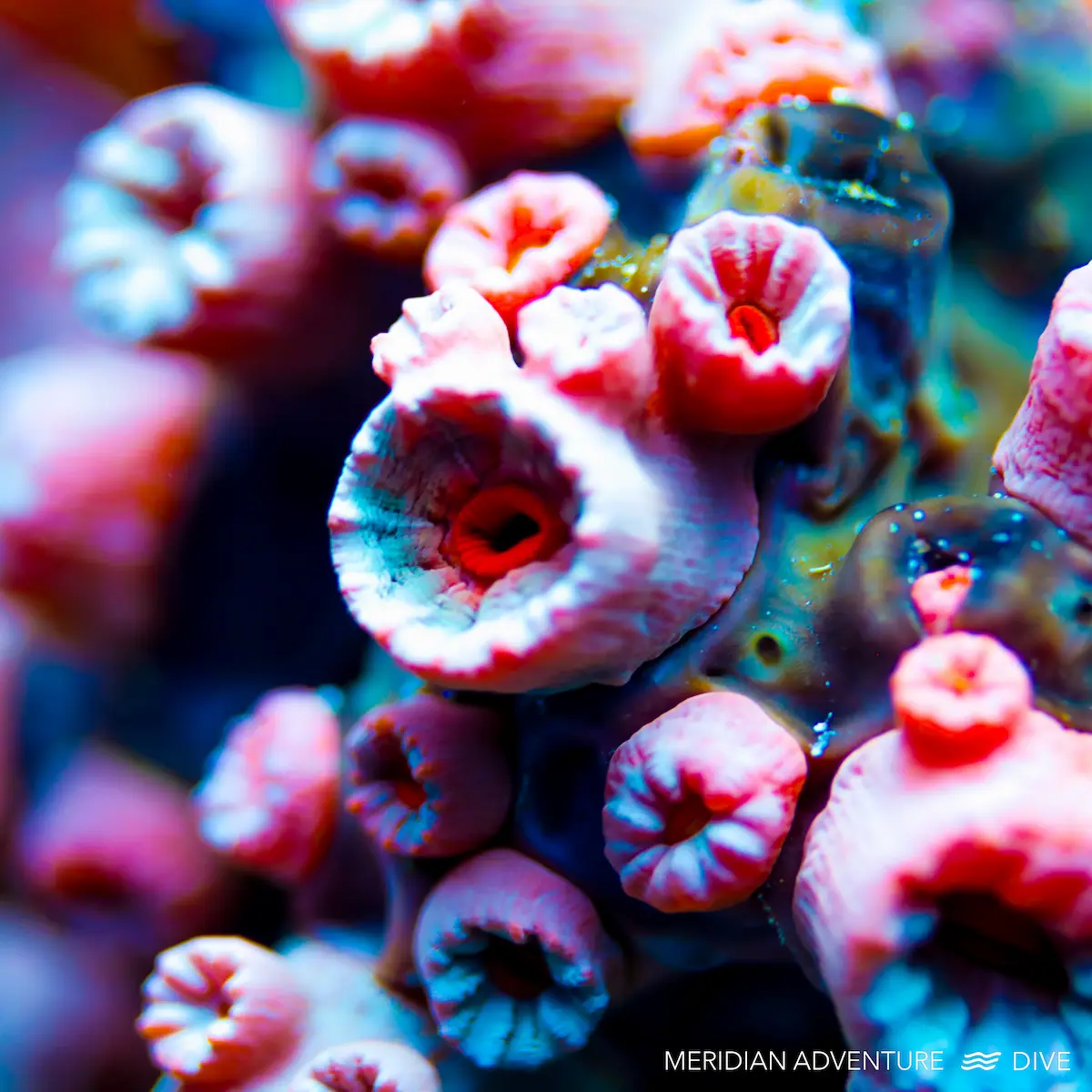
Coral reefs are primarily formed by the accumulation of calcium carbonate exoskeletons secreted by tiny colonial organisms called coral polyps. These polyps belong to the class Anthozoa within the phylum Cnidaria.
Many reef-building corals develop symbiotic relationships with photosynthetic algae called zooxanthellae. This relationship helps corals gain energy in clear, sunlit tropical waters and contributes to the growth of reef structures over time.
Why Coral Reefs Are So Important
Coral reefs are often called the “rainforests of the sea” because of their incredible biodiversity and importance to marine life. The Coral Triangle is recognised for exceptional coral diversity, and Raja Ampat sits within this global marine biodiversity hotspot.
For a wider scientific context, WWF’s Coral Triangle facts describe the Coral Triangle as having the highest coral diversity in the world, with Raja Ampat identified as a major coral diversity centre.
- Reefs provide habitat for many commercially valuable fish species.
- They attract divers, snorkellers and nature-focused travellers, contributing to local economies.
- Coral reefs act as natural barriers, helping reduce the impact of storms and erosion on coastlines.
- They are a source of new medicines and hold genetic diversity that may be critical for adaptation.
What Threatens Coral Reefs?
Unfortunately, coral reefs face significant threats. Rising sea temperatures can cause coral bleaching, a stress response that may lead to coral death if conditions remain severe. Increased atmospheric carbon dioxide can also contribute to more acidic ocean waters, hindering coral growth.
Local pressures matter too. Runoff from land, sewage, pollution and industrial waste can harm coral reefs. Excessive fishing can disrupt the delicate balance of reef ecosystems and reduce the resilience of the whole reef community.
How Coral Reefs Can Be Protected
Conservation includes establishing protected areas where fishing and other harmful activities are restricted, implementing regulations to prevent overfishing and supporting efforts to propagate and transplant corals to damaged areas.
Reducing greenhouse gas emissions is also essential to mitigate the effects of climate change on coral reefs. For divers, everyday choices matter too: good buoyancy, no touching, reef-conscious sun protection and choosing operators that protect the reef all help reduce unnecessary stress.
Dive Into Raja Ampat’s Coral Reefs Responsibly
Situated in Raja Ampat, Indonesia, Meridian Adventure Dive is a PADI 5-Star Resort and winner of the PADI Green Star award. Scuba divers enjoy our professional services that have become synonymous with the PADI and Meridian Adventure names.
The best coral reef experience is not only about what you see. It is also about how you dive: calmly, respectfully and with an awareness that every coral formation is part of a living ecosystem.
Frequently Asked Questions About Coral Reefs
Why are coral reefs called rainforests of the sea?
They are called rainforests of the sea because they support extraordinary biodiversity and provide habitat for many marine species in a relatively small area.
What forms a coral reef?
Coral reefs are formed by calcium carbonate skeletons produced by coral polyps over long periods, creating hard reef structure and habitat.
Are fire corals true corals?
No. Fire corals are hydrozoans, not true corals. They can look coral-like but are known for painful stings.
How can divers help protect coral reefs?
Divers can protect reefs by controlling buoyancy, never touching coral, avoiding standing on reef, choosing reef-conscious sun protection and diving with responsible operators.
Contact Meridian Adventure Dive Resort
Situated in Raja Ampat, Indonesia, Meridian Adventure Dive is a PADI 5-Star Resort and winner of the PADI Green Star award. Scuba divers enjoy our professional service, responsible travel values and comfortable land-based access to Raja Ampat’s reefs.
Use the links below to visit our website, send an enquiry or follow Meridian Adventure Dive Resort on social media.