

Reef Safe Sunscreen: Taking Care of Your Skin and the Ocean
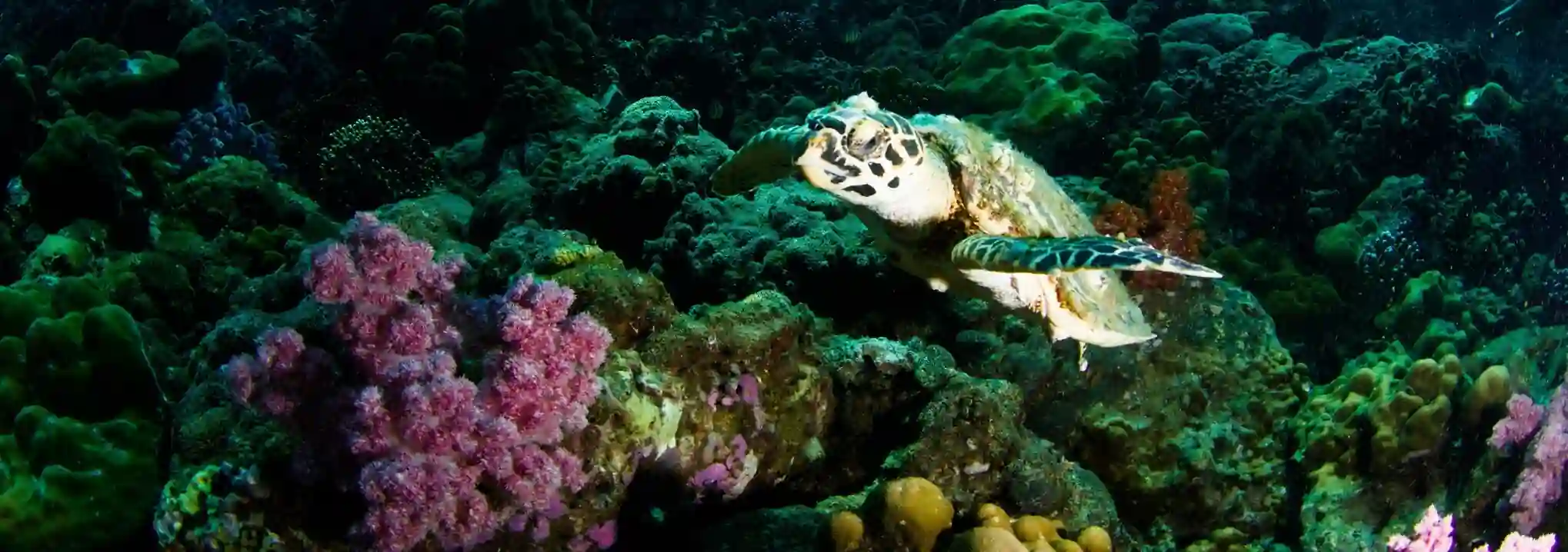
Reef Safe Sunscreen is one small but important way to protect your skin while reducing unnecessary pressure on Raja Ampat’s coral reefs.
Raja Ampat, Reef Safe Sunscreen and Ocean Care
Did you know that around 75% of the world’s coral species are found in Raja Ampat? Moreover, Raja Ampat’s waters are remote, protected and biologically productive, making it one of the best places to encounter lush coral walls that gradually drop off from 5 to 900 feet.
But it is no secret that the world’s coral reefs are in serious trouble. Without drastic action, coral reefs are expected to face increasing pressure from warming seas, bleaching, pollution, overuse and other human impacts. That is why responsible choices matter before, during and after every ocean trip.

Why Are Coral Reefs So Important?
Coral reefs are often described as the rainforests of the sea because they support extraordinary biodiversity and provide shelter, nursery habitat and feeding grounds for countless marine species.
- Coral reefs protect coastlines from storms and erosion.
- They support food, livelihoods, tourism and jobs around the world.
- Coral reefs help improve surrounding water quality by trapping particles and supporting cleaner reef environments.
- They are second only to rainforests in biodiversity of species.
- Coral reefs support around 25% of marine fish species.
- Many fish and sea creatures use reefs as spawning and nursery habitat.
Why Choose Reef Safe Sunscreen?
Saving coral reefs starts with many choices, including the products we bring into the water. One such decision is choosing Reef Safe Sunscreen and reducing the amount of sunscreen that washes into reef areas.
It is estimated that globally between 6,000 and 14,000 tons of sunscreen wash off people and into reef areas each year. While coral reef decline has many causes, some sunscreen ingredients are recognised as a concern for marine life, especially in places where swimmers, snorkellers and divers gather around sensitive reefs.
NOAA’s guidance on skincare chemicals and coral reefs identifies several ingredients that may harm marine life, including oxybenzone, octinoxate, octocrylene, nano titanium dioxide and nano zinc oxide. The safest practical approach is to combine better sunscreen choices with UPF clothing, shade and careful use. Read NOAA’s skincare chemicals and coral reefs guide.

How to Choose Reef Safe Sunscreen
No sunscreen has been proven totally safe for aquatic wildlife. Wearing a rash guard or other protective clothing while snorkelling is still one of the best choices for coral as well as your skin. However, some sunscreen formulas are friendlier than others, especially when you check the label instead of relying only on marketing words.
Choose Minerals Carefully
Look for mineral-based formulas, preferably non-nano zinc oxide or non-nano titanium dioxide where suitable.
Avoid Oxybenzone
Oxybenzone is one of the most discussed sunscreen ingredients linked to coral and marine-life concerns.
Use Water-Resistant Options
All sunscreen can wash off, but better water resistance may reduce how quickly it enters the ocean.
Choose Lotion Over Spray
Sprays can drift onto sand and surrounding surfaces, where they may still reach the sea.
Check Preservatives
Read ingredient lists carefully, especially when products include plant-based ingredients that require preservatives.
Reduce How Much You Need
Use UPF rash guards, hats, shade and sunglasses so you do not rely only on sunscreen.
Reef Safe Sunscreen Ingredients to Avoid
Our resort supports reef-conscious practices and strongly advises guests to bring sunscreen that does not include harmful ingredients such as oxybenzone, butylparaben, homosalate, octinoxate and octisalate, in order to minimise avoidable pressure on the most biodiverse waters in the world.
Always check the product label before you travel. “Reef Safe Sunscreen” and “reef-friendly” claims are not always regulated or consistent, so ingredient checking is more useful than relying only on the front of the bottle.
Protect Your Skin, Protect the Reef
Protect your skin — it is your largest organ. But make conscious decisions about the products you buy, research possible chemicals and effects, and choose Reef Safe Sunscreen together with protective clothing wherever possible.
Your visit as a snorkeller or scuba diver helps demonstrate the global importance and economic value of Raja Ampat by supporting sustainable tourism operators and practices. The park fees you pay also support conservation, and the money you bring to the region helps empower local communities to become custodians of conservation.
Frequently Asked Questions
What does Reef Safe Sunscreen mean?
Reef Safe Sunscreen usually refers to sunscreen that avoids ingredients commonly flagged for reef or marine-life impact. The term is not always regulated, so checking the ingredient list is important.
Is any sunscreen completely safe for coral reefs?
No sunscreen has been proven totally safe for aquatic wildlife. Protective clothing, shade and careful application help reduce how much sunscreen enters the water.
Which sunscreen ingredients should I avoid for Raja Ampat?
Avoid ingredients commonly flagged for reef impact, including oxybenzone, homosalate, octinoxate and octisalate. Also check whether mineral filters are non-nano where possible.
Should divers and snorkellers use rash guards?
Yes. Rash guards, UPF clothing, hats and sunglasses reduce the amount of sunscreen you need while giving strong sun protection during boat days and surface intervals.
Continue Planning Responsible Raja Ampat Travel
Use these related guides to prepare for reef-conscious travel, diving and conservation in Raja Ampat.
Plan Your Raja Ampat Dive Holiday
Meridian Adventure Dive Resort can help you plan your Raja Ampat diving, accommodation and reef-conscious travel preparation.