


Raja Ampat, an archipelago located off the northwest tip of Bird’s Head Peninsula in Indonesia’s West Papua province, is widely celebrated as the pinnacle of Raja Ampat marine life. This region has earned a reputation as the Earth’s most biodiverse marine area, with vibrant coral reefs, clear blue waters, and astonishing marine species.
We often hear and read that Raja Ampat hosts the highest-known concentration of Raja Ampat marine life on Earth, but why is this? This article explores the reasons behind Raja Ampat’s unparalleled marine biodiversity, examining the geological, ecological, and environmental factors that contribute to its extraordinary richness.”
Inspired to explore Raja Ampat? Check our Dive Packages here and secure your spot at our PADI 5★ resort in Raja Ampat.
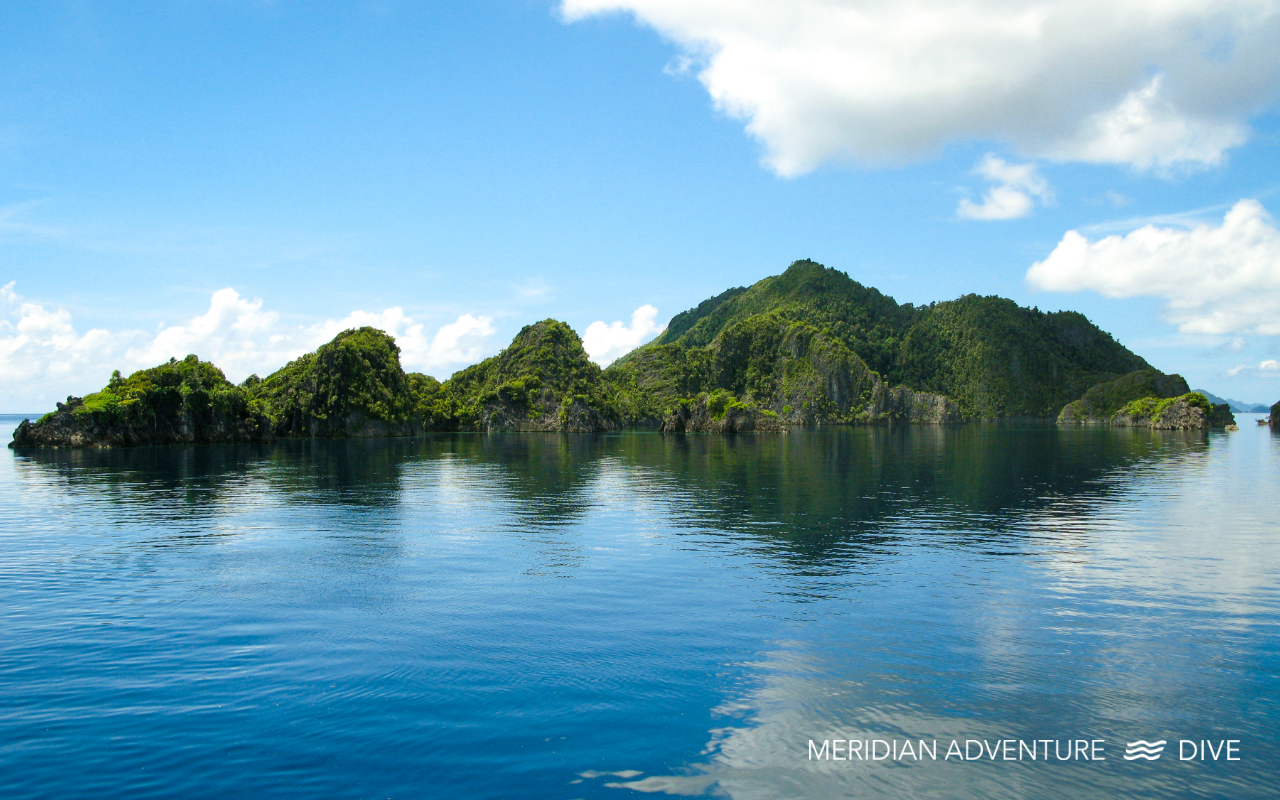
Geological History:
A Cradle of Raja Ampat Marine Life
Raja Ampat marine life thrives in this unique location, making it a global biodiversity hotspot. This region, a vital part of the Coral Triangle, a global epicentre of marine biodiversity that spans the waters of Indonesia, Malaysia, Papua New Guinea, the Philippines, the Solomon Islands, and Timor-Leste, has significantly contributed to Raja Ampat’s staggering number of coral and fish species. The Coral Triangle, often referred to as the ‘Amazon of the seas,’ is a testament to the marvels of nature.
Raja Ampat’s geological history is marked by tectonic activity that has shaped its unique landscape. The collision of the Pacific and Australian tectonic plates created a complex underwater topography, including deep trenches, steep walls, and shallow coral reefs. This variety in underwater landscapes provides numerous habitats for marine life, from tiny reef fish to large pelagic species.
Furthermore, Raja Ampat’s location within the Coral Triangle means it has benefited from the genetic exchange between the Indian and Pacific Oceans for millions of years. This exchange, a key driver of evolution, has led to the development of a diverse gene pool, giving rise to a wide variety of species, including many that are endemic to the region. Understanding this process can provide a deeper appreciation for Raja Ampat’s rich biodiversity.
Ocean Currents and Upwellings:
A Nutrient-Rich Environment
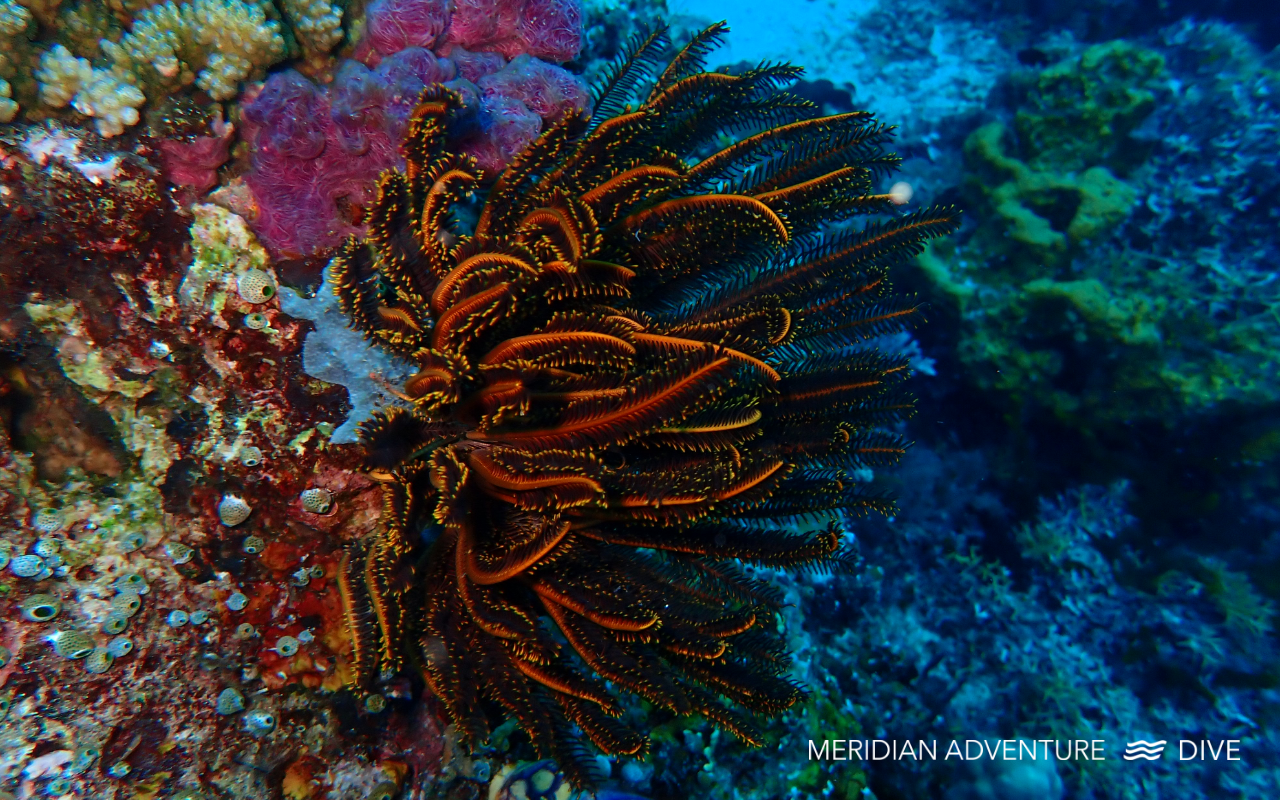
One key factor contributing to Raja Ampat’s marine richness is the region’s dynamic ocean currents. The archipelago is located at the confluence of major ocean currents, including the Indonesian Throughflow, which carries warm, nutrient-rich waters from the Pacific Ocean to the Indian Ocean. These currents create a highly productive marine environment by facilitating the constant flow of nutrients, which sustains a diverse array of Raja Ampat marine life.
The upwellings caused by these currents bring cold, nutrient-laden waters from the depths to the surface, fueling the growth of phytoplankton, the foundation of the marine food chain. This abundance of nutrients supports a thriving ecosystem, attracting a wide range of species, from small plankton-eating fish to large predators like sharks and manta rays.
Tidal patterns further enhance the region’s productivity by creating pulses of nutrient-rich water. These periodic influxes trigger spawning events, leading to bursts of marine life that contribute to the region’s overall diversity. The interplay between ocean currents and tides ensures that Raja Ampat remains a fertile ground for marine species throughout the year.
Coral Reefs:
The Rainforests of the Sea
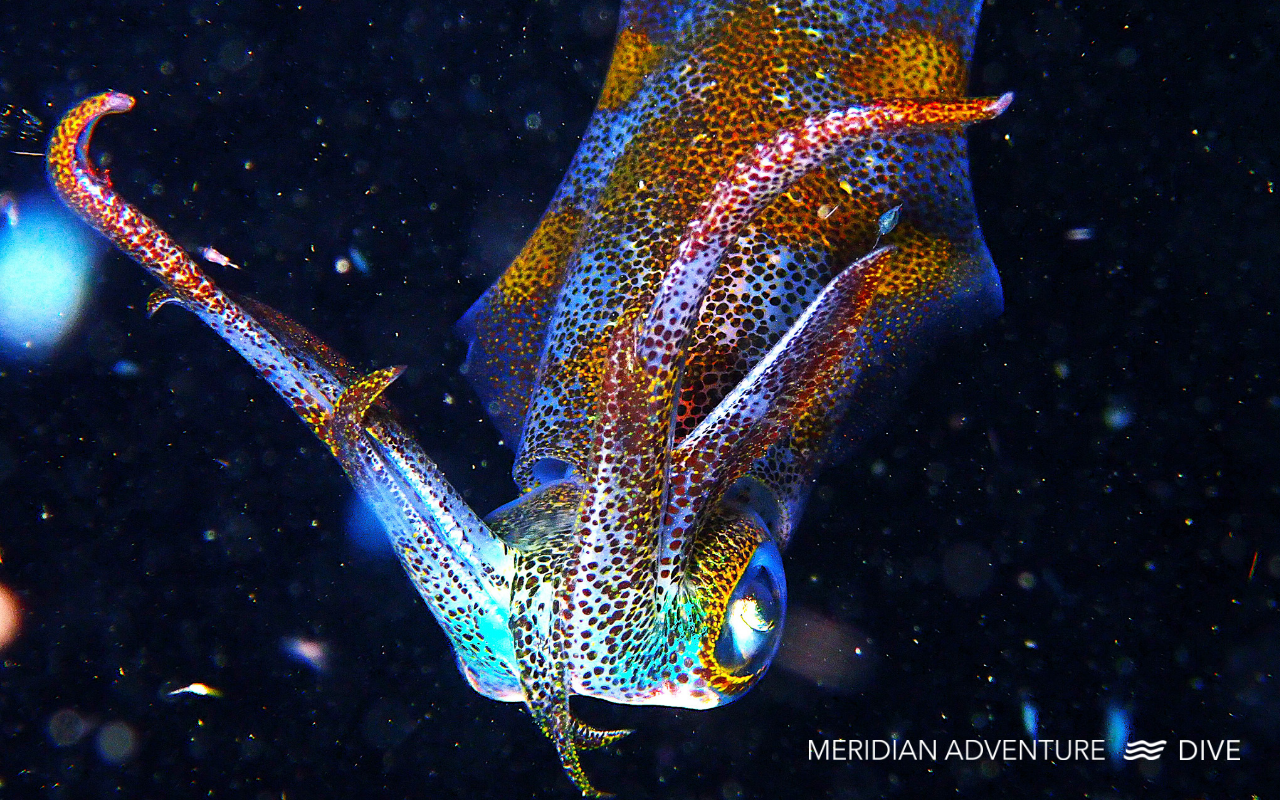
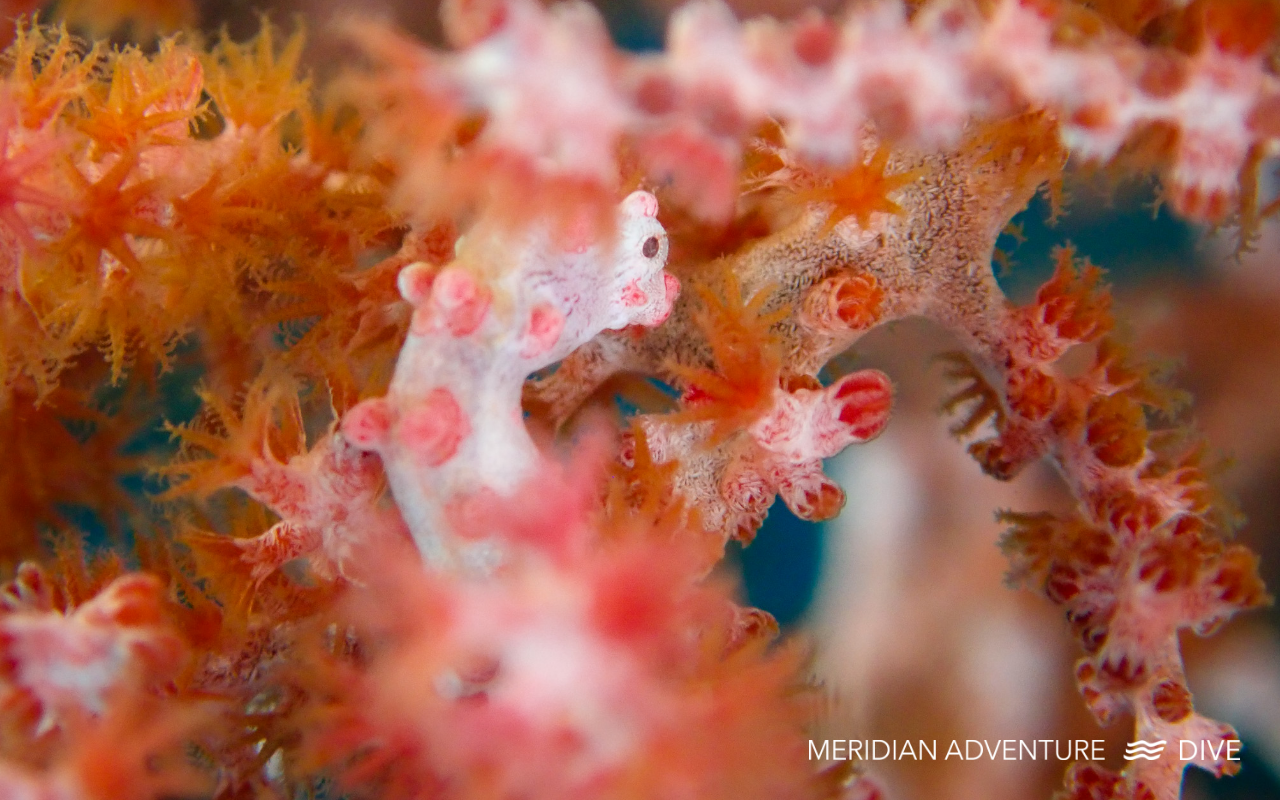
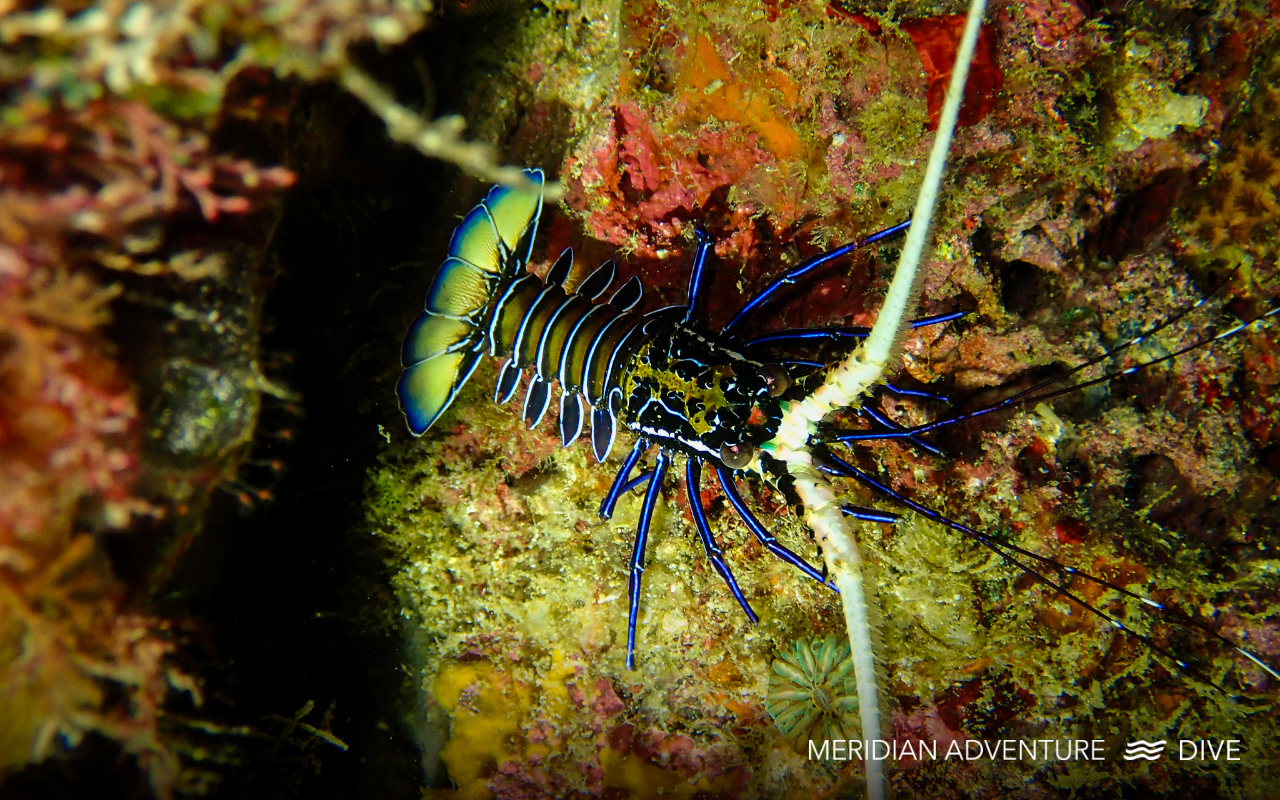
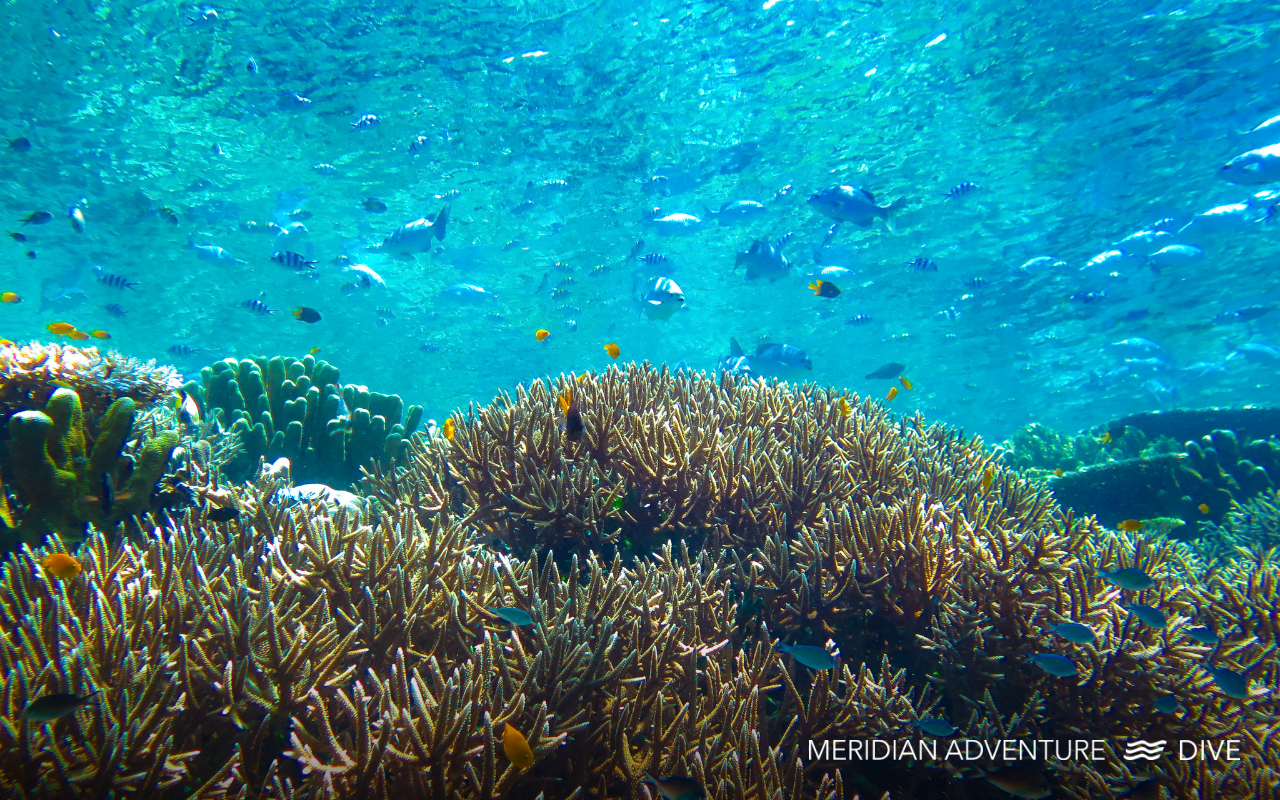
Raja Ampat is home to the world’s most pristine and diverse coral reefs. These reefs, often called the “rainforests of the sea,” are the cornerstone of the Raja Ampat marine life. With over 600 species of hard coral, Raja Ampat boasts the highest coral diversity recorded anywhere on the planet. These corals provide essential habitats for marine organisms, including fish, invertebrates, and microorganisms.
The health and diversity of Raja Ampat’s coral reefs can be attributed to several factors. Firstly, the region’s remote location has helped protect it from the impacts of human activities, such as overfishing, pollution, and coastal development, that have degraded coral reefs in other parts of the world. Secondly, the constant flow of nutrient-rich waters ensures the corals receive the sustenance they need to thrive.
Moreover, the coral reefs in Raja Ampat exhibit remarkable resilience to environmental stressors, including rising sea temperatures and ocean acidification. This resilience is partly due to the corals’ genetic diversity, which allows them to adapt to changing conditions. As a result, Raja Ampat’s coral reefs continue to flourish, providing a sanctuary for countless marine species.
Endemic Species and Evolutionary Hotspots
Raja Ampat is not only a biodiversity hotspot but also an evolutionary one. The region’s complex geography, with its numerous islands, bays, and sheltered lagoons, has created isolated environments where species have evolved independently over millennia. This process of isolation and adaptation has led to a high level of endemism, with many species found nowhere else on earth.
For example, Raja Ampat is home to several endemic reef fish, such as the Raja Ampat epaulette shark. These species have evolved unique traits to survive in their specific habitats, making them particularly vulnerable to environmental changes. The presence of such endemic species underscores the importance of Raja Ampat as a centre of evolutionary innovation.
Additionally, the region’s coral reefs serve as evolutionary hotspots where new species continue to emerge. The constant interaction between different species and the region’s rich genetic diversity fosters the evolution of new life forms. This ongoing process of speciation ensures that Raja Ampat remains a dynamic and ever-changing ecosystem.
Raja Ampat’s status as the most biodiverse marine region on earth results from a unique combination of geological history and oceanic processes. The archipelago’s location within the Coral Triangle, its dynamic ocean currents, and its pristine coral reefs have all contributed to its extraordinary concentration of marine life. As an evolutionary and biodiversity hotspot, Raja Ampat continues to captivate scientists, divers, snorkellers and nature enthusiasts alike.
About Meridian Adventure Dive Resort:
Located in the stunning Raja Ampat, Indonesia, visit our website to explore our dive packages and learn more about our PADI 5-Star Eco Resort.
FAQs about Raja Ampat Marine Life
What makes Raja Ampat’s marine life so unique?
Located in the Coral Triangle, Raja Ampat hosts over 1,500 fish species and 600+ coral species, making it the Earth’s greatest marine biodiversity hotspot.
What is the meaning of “Raja Ampat”?
It means “Four Kings” in Indonesian, inspired by the legendary rulers of the archipelago’s main islands.
How can tourists help conservation in Raja Ampat?
By practicing sustainable tourism and supporting local conservation initiatives, visitors help preserve Raja Ampat’s UNESCO-recognized biodiversity.
When is the best time to dive in Raja Ampat?
The prime diving season is from October to April, with calm seas and optimal underwater visibility.
Why is Raja Ampat part of the Coral Triangle?
Raja Ampat lies at the confluence of the Indian and Pacific Oceans, which allows genetic exchange and nutrient-rich waters that sustain its incredible marine life.
Visit our online platforms:
Website: https://raja.meridianadventuredive.com/
Facebook: https://www.facebook.com/meridianadventuresdive
Instagram: https://www.instagram.com/meridian_adventure_dive/
YouTube: https://www.youtube.com/channel/UC_8-kt5sTczmclJkx4KcmaA